 admin
admin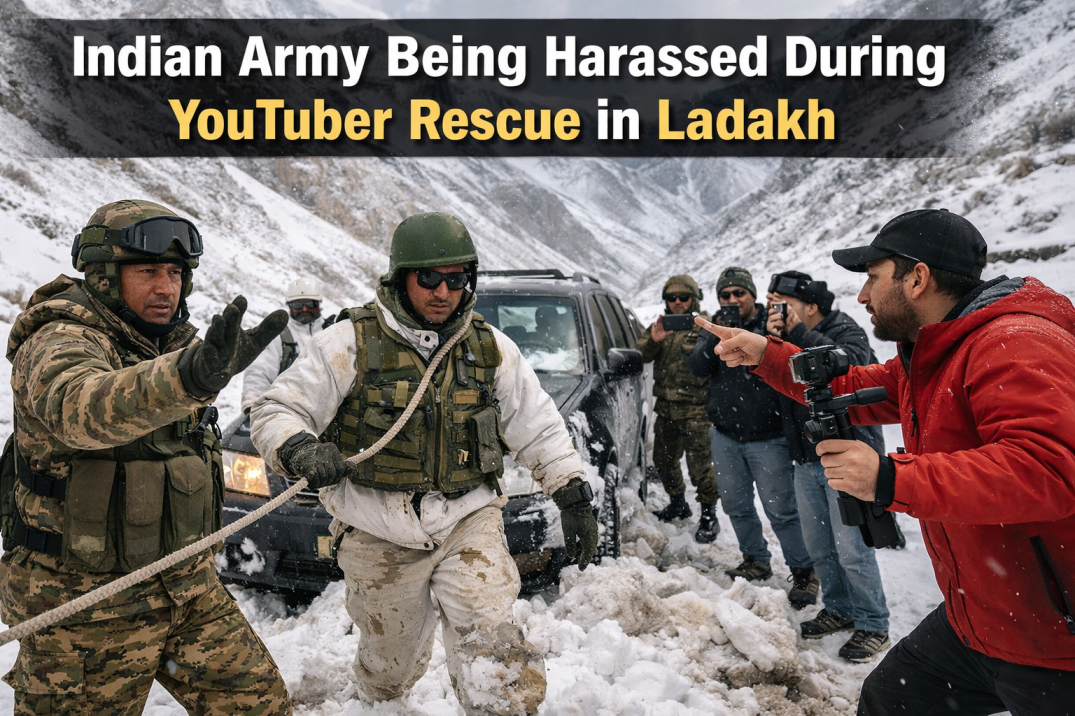
“Indian Army Is Being Harassed”: Viral Post Flags YouTuber Rescue in Ladakh
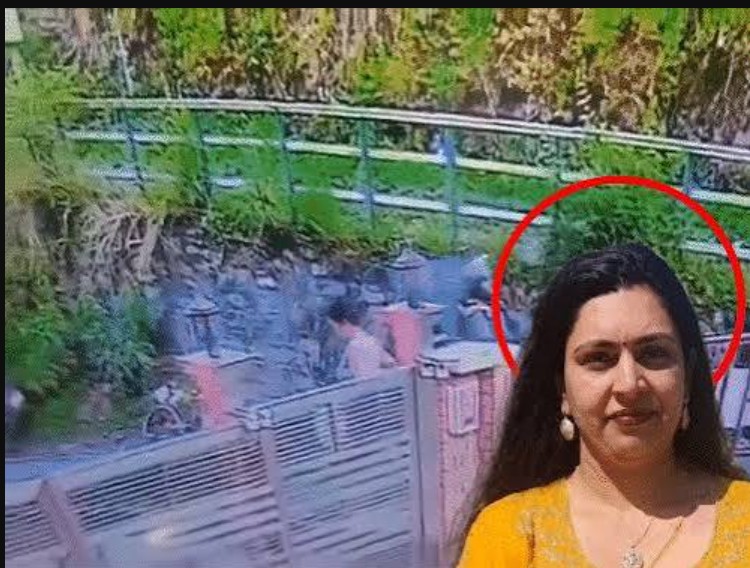
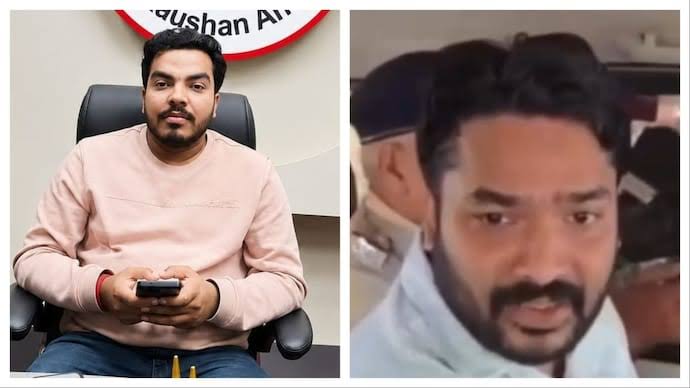
A viral social media post kicked off a heated debate after it claimed the Indian Army got harassed during a rescue mission for a YouTuber in Ladakh.
The post spread like wildfire, and suddenly everyone was talking about how civilians behave,
whether people abuse emergency resources,
and just how much pressure soldiers deal with in tough situations.
So, here’s what went down: according to the post,
the Army had to rescue a stranded YouTuber somewhere out in Ladakh’s brutal landscape—think unpredictable weather,
high altitude, the works. But instead of thanks or even basic cooperation, the rescue team apparently got grief and backlash, both during and after the operation.
Pretty soon, that phrase—“Indian Army is being harassed”—was everywhere.
People online, veterans, and supporters jumped in, asking why the military should be pulled into these situations at all.
Why are resources meant for national security getting used up on thrill–seeking influencers? Especially in such sensitive, risky border areas?
It’s not just about one rescue, either.
More and more, social media users complain about influencers heading into dangerous places without enough prep, then expecting the authorities to bail them out when things go sideways.
Let’s be real: the Indian Army pulls off rescues in some of the world’s harshest environments. Saving stranded people, dealing with natural disasters—these soldiers put their lives on the line. But critics are worried. Every time there’s an avoidable rescue, it distracts from their main job and adds stress they don’t need.
Experts aren’t mincing words.
They’re saying content creators and tourists need to step up, act responsibly, and respect what the Army goes through out there.
Now, because of all this, people are calling for stricter rules for anyone heading into these remote, high-altitude spots—especially vloggers and YouTubers. Maybe there’ll be penalties, maybe you’ll need special permission. Either way, folks want to make sure the Army isn’t at everyone’s beck and call for avoidable emergencies.

 editor_nz