 admin
admin
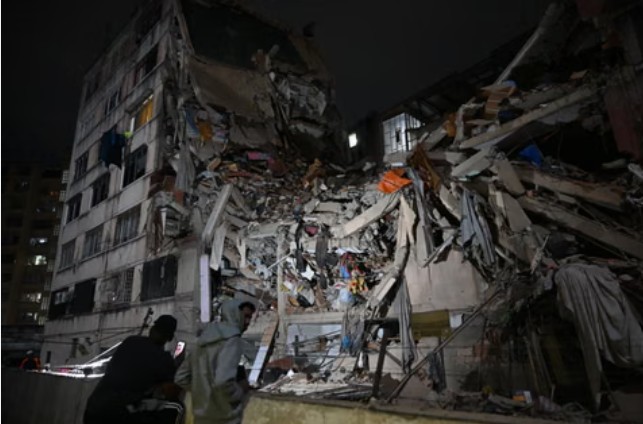
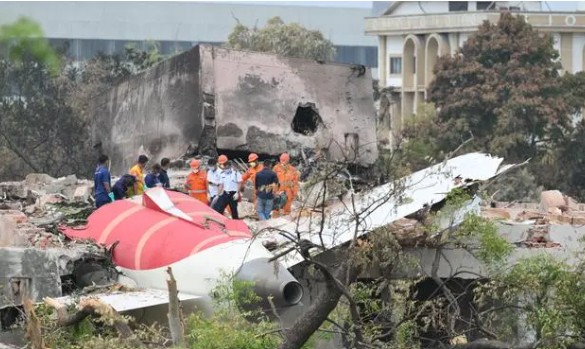
Ammonium nitrate exploded at a J&K police station late at night. The explosion occurred in the Nowgam area of Srinagar, where police and forensic teams were handling seized explosives. The substance originated in Faridabad, Haryana. This ammonium nitrate blast in J&K has raised serious questions about safety and protocol.
The inquiry points to the direction that it was not a terrorist attack. Rather, it appears to have been an accident during sample extraction.
The protocol seems to have failed. Small secondary explosions delayed rescue efforts.
What Was Seized from Faridabad?
-
Authorities dismantled a “white-collar” terror module.
-
Around 2,563 kg of ammonium nitrate was seized from a Faridabad location.
-
The cache also contained other bomb-making chemicals like potassium nitrate and sulfur.
-
What took place in the course of the explosion?
-
While examining the explosives, forensic teams were sampling the ammonium nitrate.
-
-
A minimum of 6 fatalities occurred along with 27 injuries, the latter group mainly consisting of police officers and forensic specialists.
-
Reasons ammonium nitrate poses such a great threat
Under certain conditions — like compression, contamination, or sudden shock — it can detonate violently.
In this case, the risk was amplified by:
-
The sheer quantity seized.
-
Improper storage at a police station rather than a specialized explosives facility.
-
Handling by non-specialized teams or without adequate safety controls.
This tragic ammonium nitrate blast in J&K underscores the danger of mishandling such chemicals.
Security & Policy Implications
-
This incident raises red flags about how law enforcement stores and handles seized explosives.
-
-
There may be a need for a review of forensic testing processes to ensure sampling does not risk lives.
-
This also underlines the national security risk of these chemicals falling into the wrong hands.
Conclusion
“The Nowgam Police Station explosion in Quetta shows that explosives can continue to detonate even after authorities seize them.” Handling them requires extreme care, robust protocol, and specialized infrastructure.
Authorities must learn from this incident and overhaul their safety systems. Otherwise, “seized” does not mean “safe.”
In case you are worried about explosive safety, chemical regulation, or national security, keep yourself updated. Subscribe to our newsletter and get professional analysis, policy updates, and comprehensive reports — right in your inbox.


 editor_nz