 editor_nz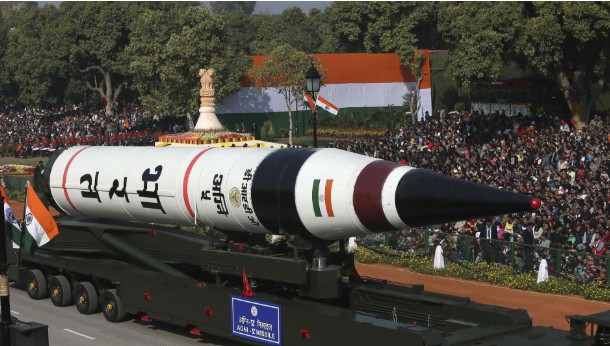
India’s nuclear posture has been brought into the glare of the international spotlight after a report by the Stockholm International Peace Research Institute (SIPRI) claimed that the nation now has an operational nuclear arsenal of about 12 warheads for the first time.
The assertion in the SIPRI’s most recent Yearbook has set a debate on whether India is taking a gradual step towards a more ready and responsive nuclear deterrence posture on the defensive spectrum.
India currently has about 190 nuclear warheads, which is slightly more than the year before, according to SIPRI. But the key takeaway from the report is that it has determined that approximately 12 of these warheads are “deployed,” attached to delivery systems or kept in a state of readiness for possible deployment.
India has been known to store its nuclear warheads and delivery systems (missiles etc.) separately during peace times. This was regarded as being in keeping with the nation’s traditional policy on maintaining a credible minimum deterrent without being in a launching position. According to a SIPRI assessment, India might now be gearing up to become more operationally ready with its nuclear arsenal.
The report also mentions the ongoing proliferation of India’s sea-based nuclear arsenal. The nation has been investing in the development of its nuclear ballistic missile submarines and the development of longer range missiles is perceived as improving strategic deterrence and second-strike capability. The experts in the Defence field say that this is a part of India’s nuclear modernization drive in the midst of a changing security scenario in the region and the world.
However, there has been no official confirmation or official response from the Indian government on the deployment of nuclear warheads. This information is therefore an independent assessment by SIPRI and in no way officially endorsed by the Indian authorities.
Importantly, the report does not show any change in the Indian “No First Use” (NFU) policy. India has reiterated that it would not take the first step towards a nuclear attack but would retaliate if attacked with nuclear weapons.
Various factors, such as China’s growing military power, continued security concerns about Pakistan and changing geopolitical realities, may be contributing to India’s strategic thinking, analysts suggest. As the world becomes a more complex and unstable security environment, the elements of deterrence and survivable retaliatory options have become more salient to the world’s nuclear armed nations.
If the SIPRI’s list is correct, it could be one of the most important strides in India’s nuclear strategy in recent decades. But, as of yet, the report is not an official statement and only an educated guess.
While strategic experts continue to debate, the report has once again highlighted the changing contours of nuclear deterrence in South Asia, and its implications for regional security.