 editor_nz
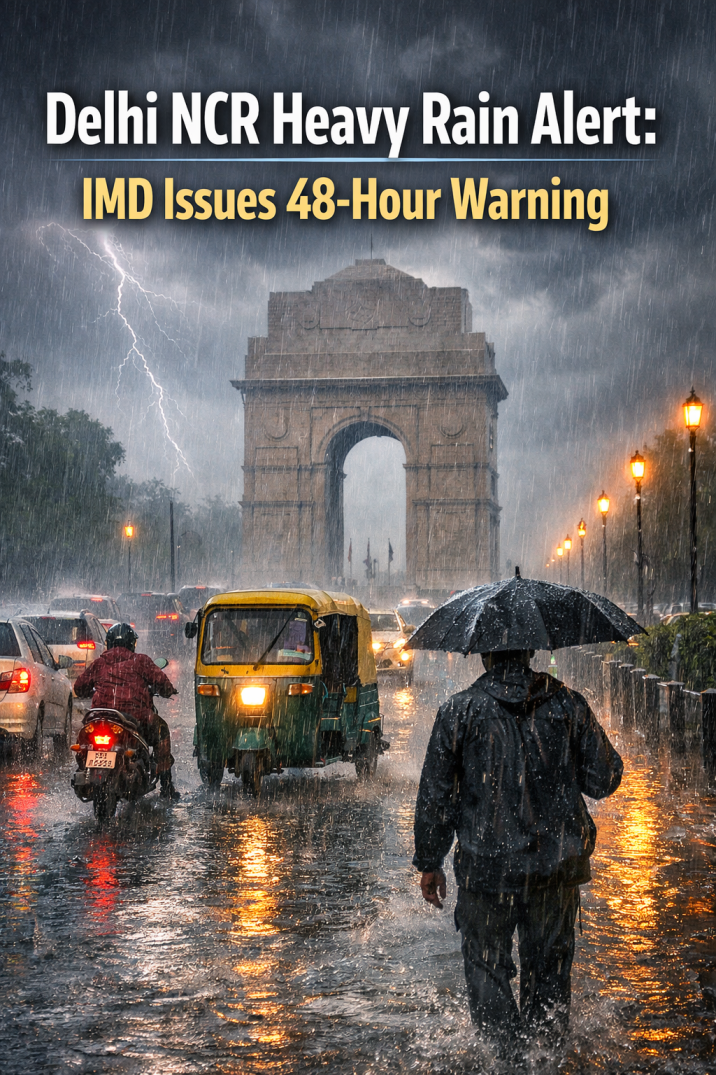
With the arrival of the Southwest monsoon, the results of an extremely hot summer are taking a back seat in India. But climate experts are saying the 2026 monsoon season could turn out to be less kind than anticipated, as they fear impacts to farming, food prices and inflation.
Forecasts suggest that the monsoon may be weaker than usual this year, because of El Niño, which is a weather pattern that affects rainfall around the world. The monsoon has already arrived in Kerala, but the weather agency is keeping a watch on it in the rest of the country.
Nearly 70% of the rainfall in India is received during the monsoon (from June to September). It is very significant for the cultivation of important crops, including rice, pulses, sugarcane, maize and cotton. Farmers’ livelihoods can be impacted by a disparity in rainfall and a significant deficit.
Below normal rains may result in reduced farm production, which may cause the prices of food staples to rise, experts have cautioned. The effects will be felt by consumers as higher prices for vegetables, grains and other essential commodities. Any increase in food prices may also contribute to higher inflation, which would be difficult for consumers and policymakers.
The government is allegedly closely monitoring the situation and has begun contingency planning in case the rains worsen, and farmers are in need of assistance. There are also good food and fertiliser stocks to lessen the effects of any disruptions.
But meteorologists say it’s too early to come to any final conclusions despite the concerns. There is a high degree of uncertainty in the monsoon forecast during the next two weeks as it could either be above normal or below normal.
As of now, farmers, businesses, and consumers are closely monitoring the weather patterns in the hope of a successful and fairly distributed monsoon season that will benefit agricultural production and contribute to food security.