 editor_nz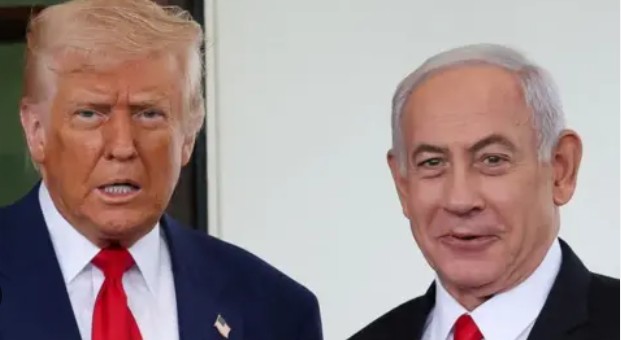
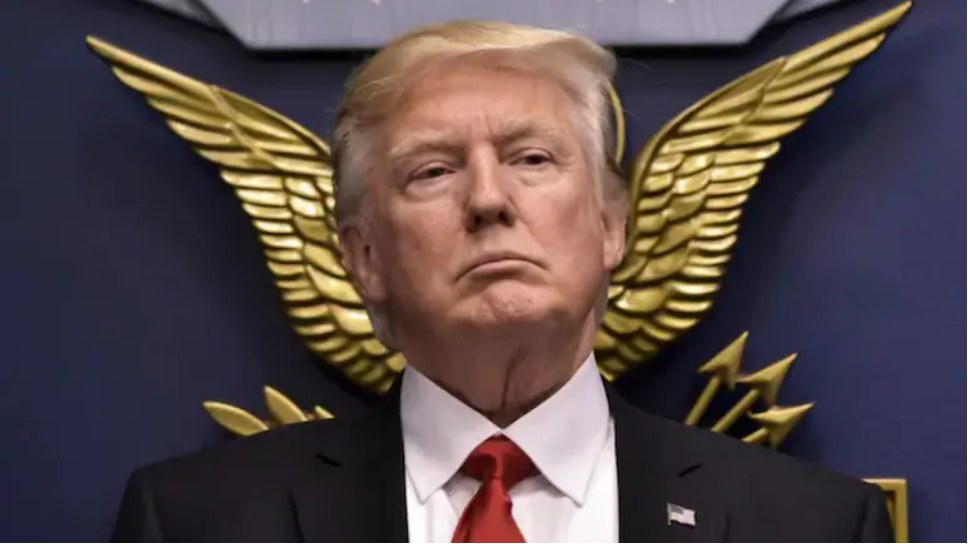
A pivotal diplomatic story is making news around the globe. US President Donald Trump is said to have had a fiery phone call with Israeli Prime Minister Benjamin Netanyahu regarding Israeli military operations in Lebanon.According to reports, US President Donald Trump spoke with his Israeli counterpart, Benjamin Netanyahu, on the phone regarding Israeli military operations in Lebanon.
Trump and Netanyahu have been seen as close political allies for a long time, which is why the reports have garnered worldwide attention. So, why did this all-out tension erupt between two leaders?
Let’s take it apart.
The issue is related to the escalating tensions between Israel and Hezbollah, the Iran-backed group based in Lebanon. Israel has not ruled out striking targets related to Hezbollah in recent weeks, claiming that such action is needed to safeguard its citizens against security threats.
The U.S. has tried, however, to prevent the conflict from spiraling further out of control. Washington fears the regional conflict could trigger a wider war across the Middle East and make diplomacy with Iran and other nations in the region more difficult.
As per media reports, Israel was mulling more military operations in Lebanon, some of which may heighten tensions. That angered President Trump, who did not want to get into another fight.
In a phone conversation with Netanyahu, Trump reportedly strongly condemned the Israeli leader’s stance. Trump reportedly wanted to consider further military action, but feared it would deter them from establishing stability and easing tensions in the region.
The exact content of the conversation has not been officially disclosed, but reports indicate it was brusque and marked significant differences over the situation in Lebanon.
The development is notable as the United States and Israel have enjoyed a close strategic alliance for some time. Conflict among allies is not unusual but it’s not been reported so acrimoniously between the two leaders.
Israel, meanwhile, has insisted its actions were for security reasons. Israeli officials insist Hezbollah is a direct threat and that military operations are needed to safeguard the Israeli people.
This is a clash in priorities that seems to be the crux of the issue. The U.S. is worried about the outbreak of a wider regional war, while Israel is concerned with security and deterrence.
Now, the big issue is whether it is a temporary difference in approach or if it might indicate a more serious rift between the two governments.
The world will be closely watching as the situation in the Middle East unfolds, and it remains to be seen how both leaders will navigate the future and if any steps will be taken to avoid further escalation through diplomacy.