 admin
admin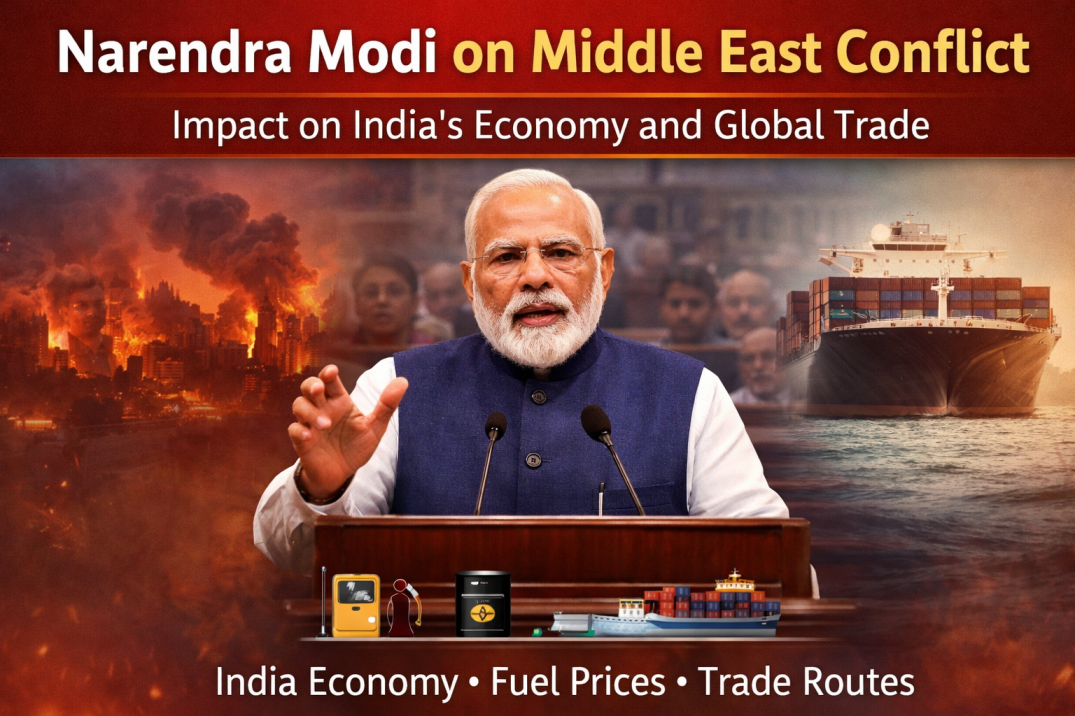
PM Narendra Modi on Middle East Conflict: Impact on India and Global Economy
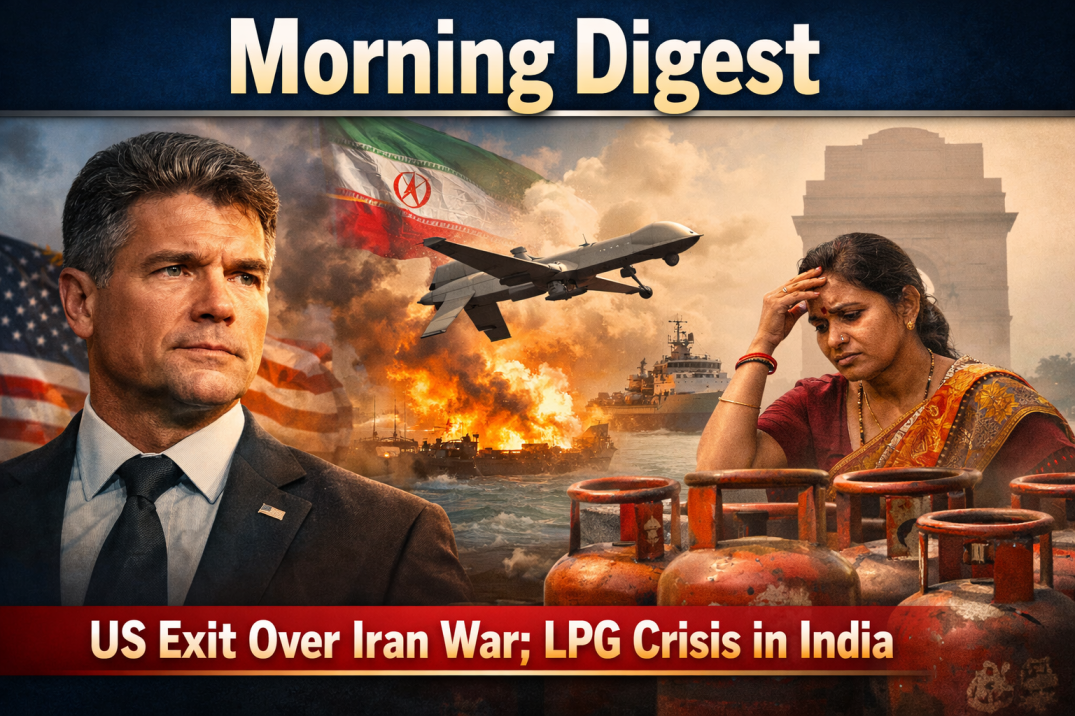
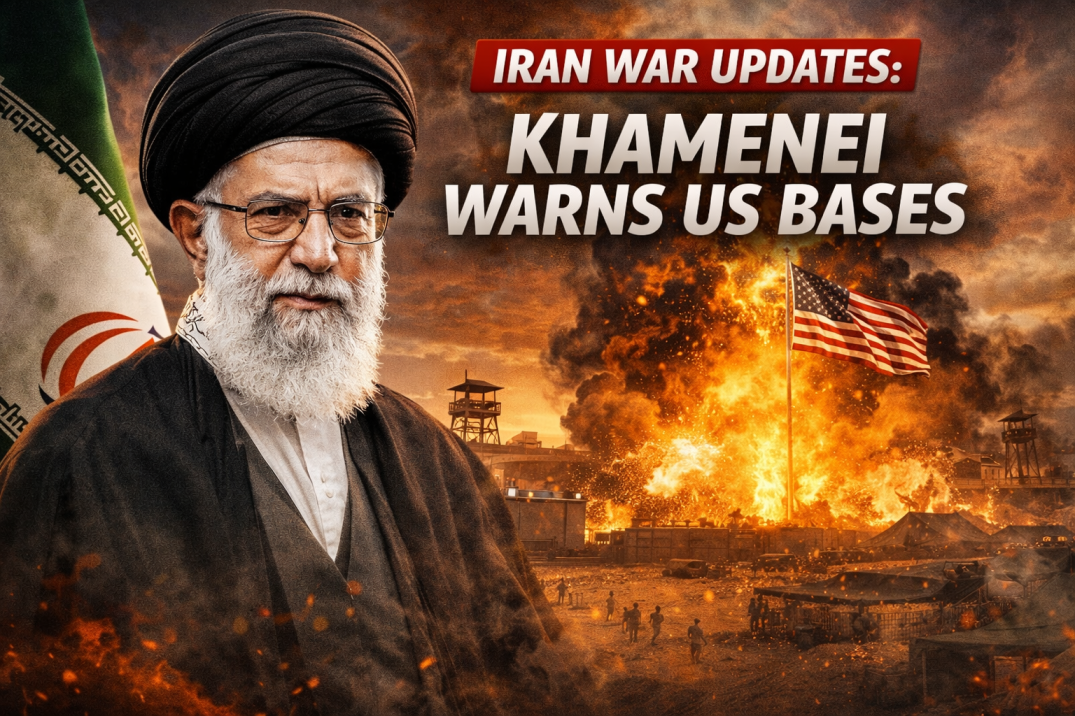
During the Budget Session of 2026, Prime Minister Narendra Modi addressed the Rajya Sabha and spoke in detail about the ongoing conflict in the Middle East and its far-reaching global consequences. He emphasized that the situation is serious and has the potential to disrupt not only regional peace but also the global economy.
Rising Tensions and Global Trade Disruptions
The Prime Minister explained that escalating tensions in the Middle East are directly affecting international trade routes, particularly key shipping lanes. These disruptions are causing delays in the transportation of goods and increasing logistics costs worldwide.
For India, the impact is significant. As a major importer of crude oil and essential commodities, the country is facing rising pressure due to these global uncertainties.
Impact on Fuel Prices and Inflation
Narendra Modi highlighted that fluctuations in fuel prices such as petrol, diesel, and natural gas could have a direct effect on inflation. This, in turn, may influence the daily lives of citizens across the country.
Higher fuel costs often lead to increased transportation expenses, which can push up the prices of essential goods and services.
Government’s Strategic Measures
To tackle these challenges, the government has taken several proactive steps:
- Formation of special monitoring groups to track the situation closely
- Diversification of energy import sources to reduce dependency
- Strengthening of strategic petroleum reserves to prevent shortages
These measures aim to ensure stability and minimize the economic impact of the crisis.
Safety of Indians Abroad
A key concern raised during the address was the safety of Indians living in conflict-affected regions. Narendra Modi assured Parliament that the government is fully committed to protecting its citizens.
Evacuation operations have already been conducted in sensitive areas, and additional arrangements are in place if the situation worsens. He stressed that every Indian life is valuable and remains a top priority.
Call for Unity and Responsible Behavior
The Prime Minister urged political parties, state governments, and citizens to remain united during these challenging times. He also warned against panic buying and hoarding of essential goods, which could create artificial shortages and worsen the situation.
India’s Stand on Global Peace
On the international stage, Narendra Modi reiterated India’s commitment to peace and diplomacy. He emphasized that conflicts only lead to destruction and suffering, and peaceful dialogue must always be prioritized.
India continues to advocate for diplomatic solutions to ease tensions and restore stability in the region.
Confidence in India’s Economic Strength
Despite global uncertainties, the Prime Minister expressed confidence in India’s economic resilience. He highlighted the importance of focusing on growth, development, and self-reliance.
By strengthening domestic production and reducing dependency on imports, India can better withstand external shocks.
Conclusion
The address by Narendra Modi in the Rajya Sabha underscored both the seriousness of the Middle East conflict and the preparedness of the Indian government.
While the situation remains concerning, India is taking strategic steps to safeguard its economy and citizens. With a focus on resilience and unity, the country aims to navigate these global challenges effectively.
CTA
Stay updated with the latest policy decisions and global developments. Follow our website for reliable insights on India’s economy, international relations, and breaking news.
— Palak Parasar.