 admin
admin
‘We Will Decide When To End War, Not US’: Iran’s Sharp Response To Trump
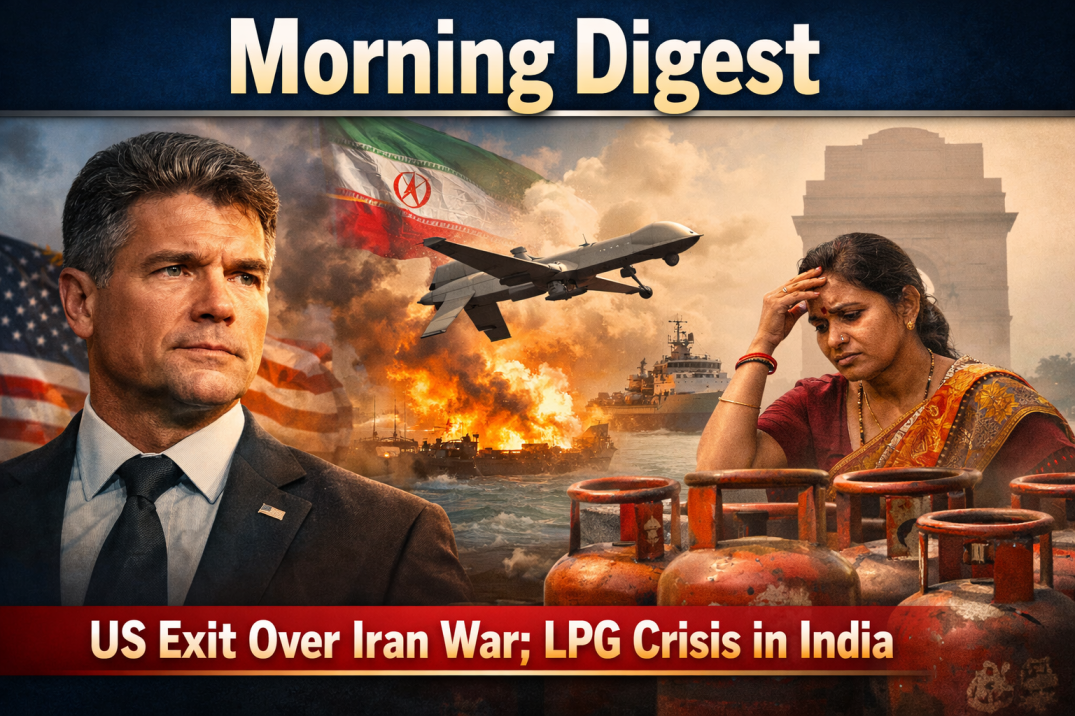
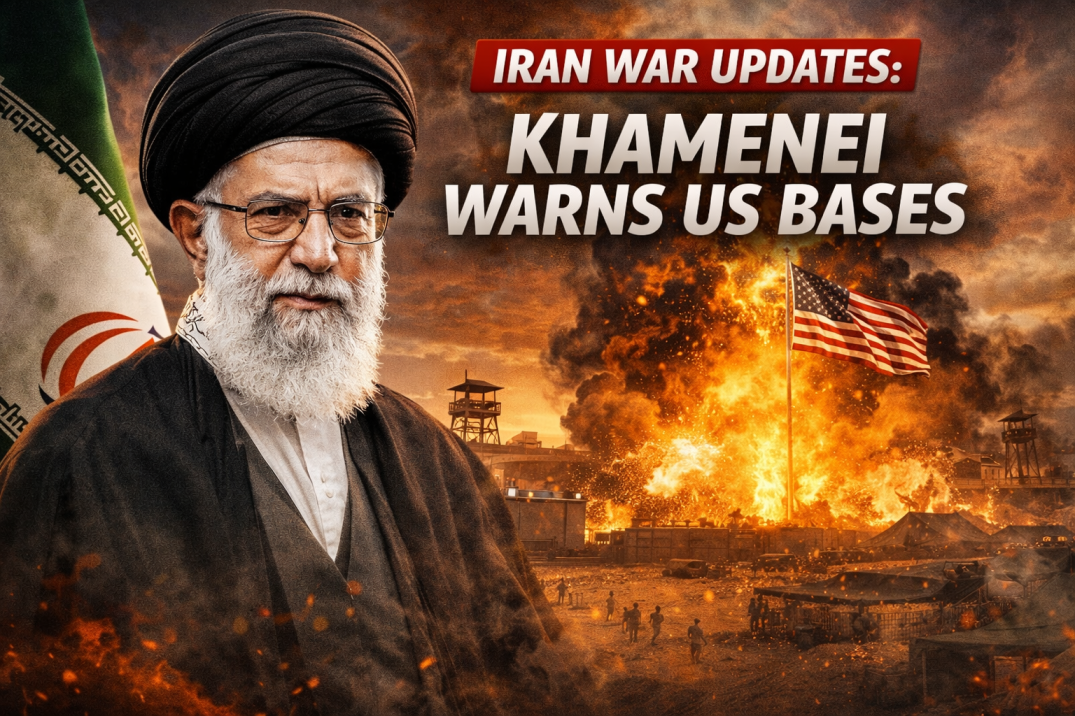
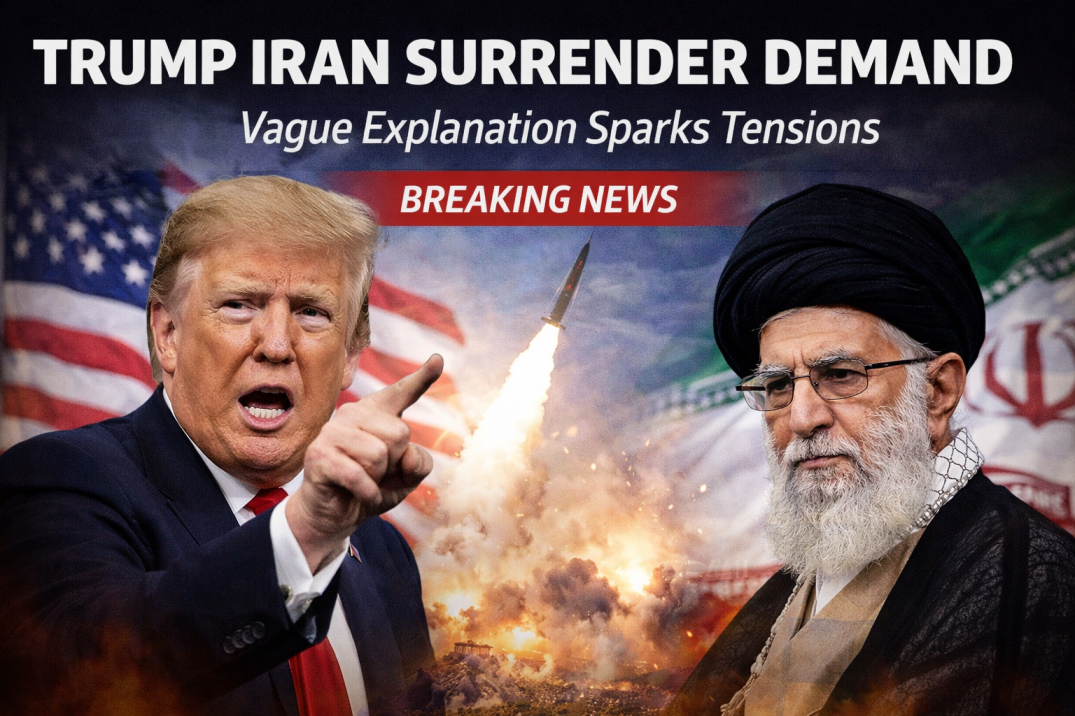
Tensions between Iran and the United States have escalated after Iranian officials issued a strong response to remarks made by Donald Trump about the ongoing conflict in the Middle East.
The statement came after Trump suggested that the war involving Iran could end soon, claiming that military operations had largely achieved their objectives. However, Tehran rejected this claim and declared that Iran—not the United States—will determine when the war ends.
What Trump Said About the War
During a press briefing in the United States, Trump stated that the conflict was “very complete” and could soon come to an end. He also warned that if Iran resumed hostilities, it would face even stronger military action.
Trump further claimed that US-led military operations had significantly weakened Iran’s military capabilities, including its navy, air force, and communications systems.
These comments triggered a swift reaction from Iranian authorities.
Iran’s Strong Response
In response, the Islamic Revolutionary Guard Corps (IRGC) issued a sharply worded statement rejecting Trump’s claim.
The Iranian military said:
“It is we who will determine the end of the war. The future of the region is now in the hands of our armed forces, and American forces will not decide when it ends.”
The statement signals Iran’s determination to maintain control over the direction and timeline of the conflict.
Growing Tensions in the Middle East
The exchange of statements highlights the deepening geopolitical tensions in the Middle East. Both sides continue to exchange strong rhetoric while military operations and regional instability persist.
Recent reports indicate that the conflict has already caused significant casualties, infrastructure damage, and economic disruption across the region.
The situation has also raised concerns globally due to the strategic importance of the region for oil supplies and international security.
Global Implications
The war rhetoric between Washington and Tehran has broader implications for international politics and energy markets.
Key concerns include:
-
Rising oil prices due to instability in the region
-
Security risks around the Strait of Hormuz, a key global shipping route
-
Growing humanitarian impact across affected countries
Global leaders continue to call for diplomacy and de-escalation to prevent the conflict from spreading further.
What Happens Next?
For now, both sides appear to be standing firm in their positions. While Trump suggested the conflict could end soon, Iran has made it clear that the decision will not come from Washington.
Analysts believe the coming weeks will be crucial in determining whether the conflict escalates further or moves toward diplomatic negotiations.
Final Thoughts
The sharp exchange between Iran and the United States highlights how fragile the geopolitical situation remains in the Middle East. With both sides refusing to back down, the future of the conflict remains uncertain.
The world will be watching closely to see whether diplomacy can prevail over confrontation.
✅ Want more global news and geopolitical analysis?
Follow our website for daily international updates, breaking news, and expert insights.
📢 Share this article and join the conversation on global affairs.